
Northeast Vietnam travel advice · 2026-11-15
From Ba Be Lake to Ban Gioc Waterfall: A Scenic 3–4 Day Northeast Vietnam Journey
Explore northeast Vietnam from the still waters of Ba Be Lake to Ban Gioc Waterfall, with an honest 3–4 day itinerary, cave stops, road-planning advice and indicative costs.
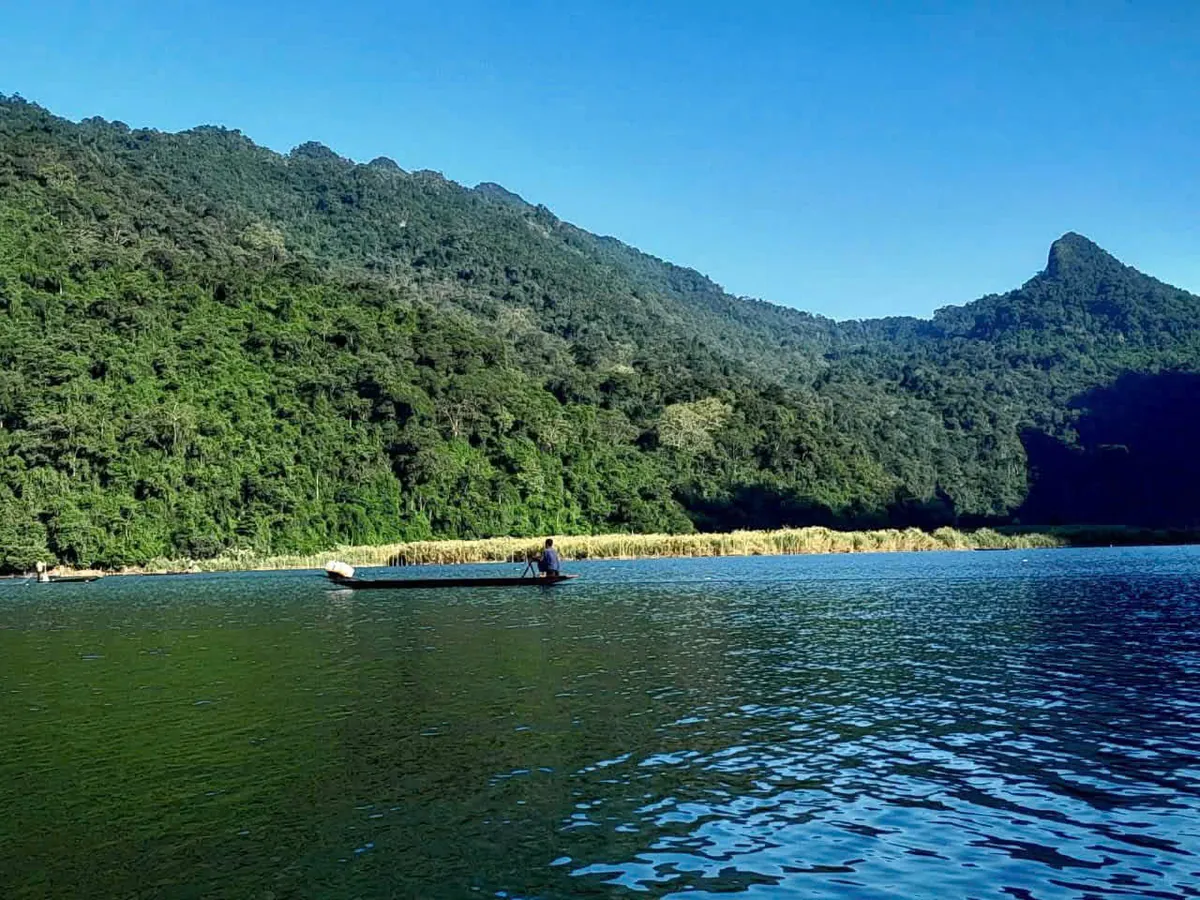
Where still water meets a thundering waterfall
Some journeys begin with a whisper and end with a roar. At Ba Be Lake, mountains fold around still water and wooden boats move slowly beneath the trees. Farther east, Ban Gioc Waterfall pours over wide limestone terraces beside the Chinese border. Between these two landscapes lie winding roads, villages and valleys worth noticing in their own right.
This route is beautiful, but it is not effortless. Three days can work with dependable private transport and an early start; four days give you more time to enjoy the places rather than simply reach them. Here is how to choose without turning a holiday into a race.
Three Days or Four? Start With Your Travel Style
Choose three days if your time is limited, you are comfortable with long road journeys and you can arrange point-to-point transport. You will need to keep the sightseeing selective and be prepared to change plans if weather or roads cause delays.
Choose four days if you enjoy photography, want to spend a full morning on the lake, or are travelling with children or older relatives. The extra night makes this mountainous route feel more like a discovery than a checklist.
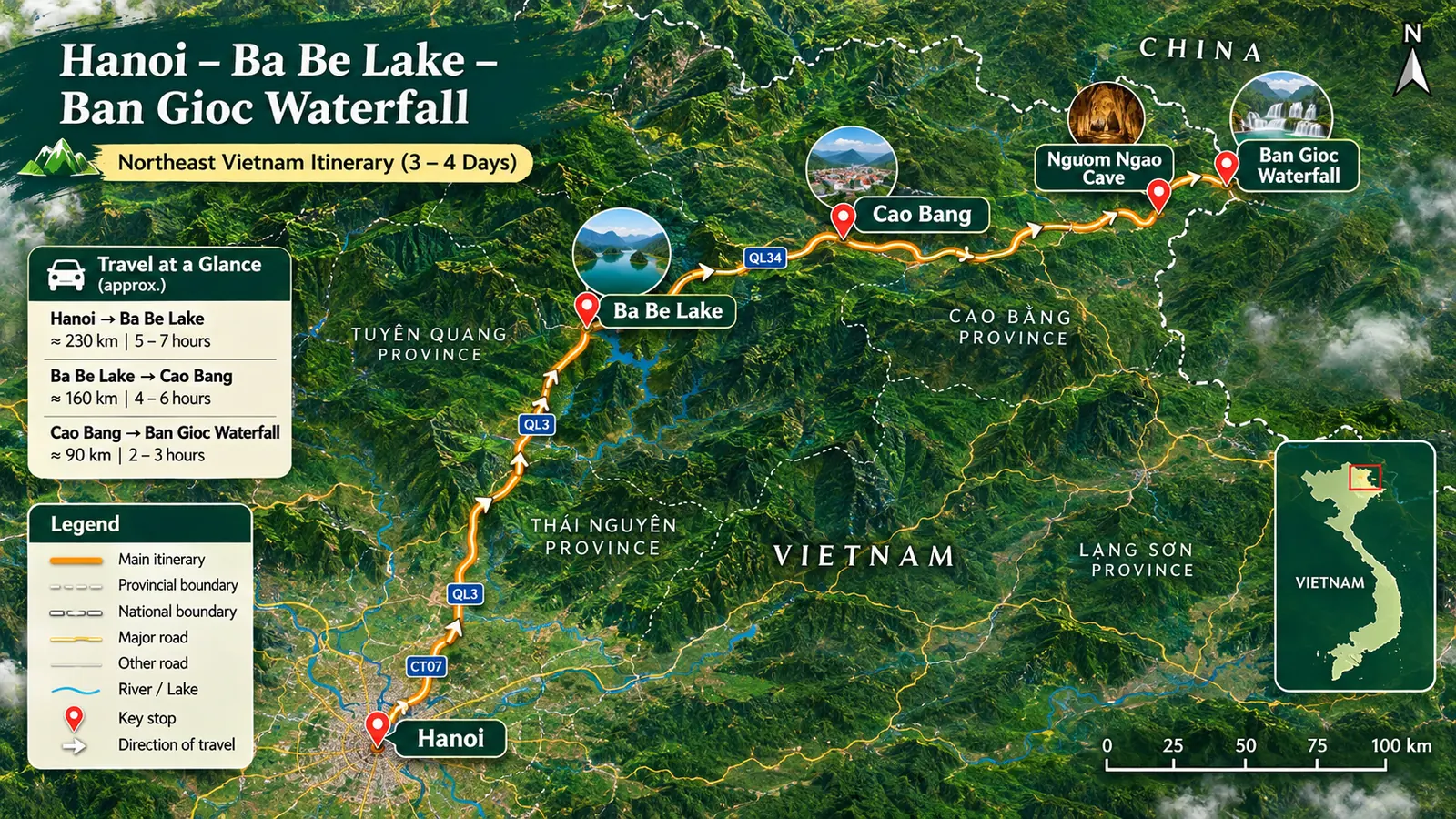
For reference, the drive from Hanoi to Ba Be commonly takes much of a day; Ba Be to the Cao Bang area is another substantial mountain transfer. Cao Bang city to Ban Gioc is approximately 90 km, often around two to three hours by road. These are planning ranges, not guaranteed arrival times.
Day 1: Let Ba Be Set the Pace
Leave Hanoi early and aim to arrive with enough daylight to find your homestay. Pác Ngòi is a useful lakeside base, with Tày stilt-house accommodation and access to boat excursions. If you arrive early enough, consider a short cruise; otherwise, walk through the village and save the water for morning.
The most memorable moments can be wonderfully simple: reflections broken by a passing canoe, a meal prepared by your host, the lake turning silver before dusk. Ask before photographing people and confirm life jackets and boat conditions with your operator.
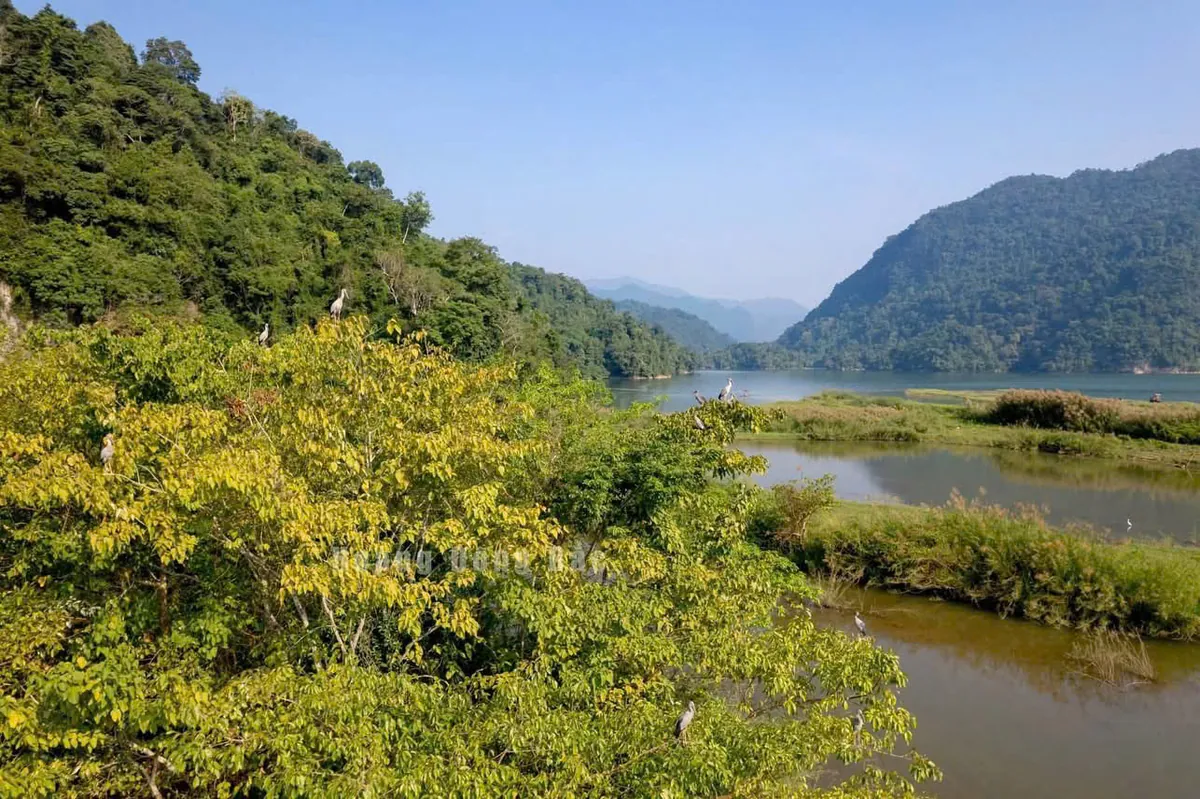
Day 2: Across the Hills Toward Cao Bang
With a three-day schedule, Day 2 is demanding: depart Ba Be early, cross the mountains toward Cao Bang and continue to Ban Gioc if daylight, weather and your driver permit. Prioritise the waterfall; add Nguom Ngao Cave only if there is genuinely enough time. Stay in the Cao Bang region rather than attempting to return to Hanoi that evening.
With four days, enjoy a morning on Ba Be Lake before driving toward Cao Bang city. Stay overnight there or closer to Ban Gioc, depending on road conditions and the following day's plans. A homestay near the waterfall may save you driving time, while the city generally offers more dining and accommodation choices.
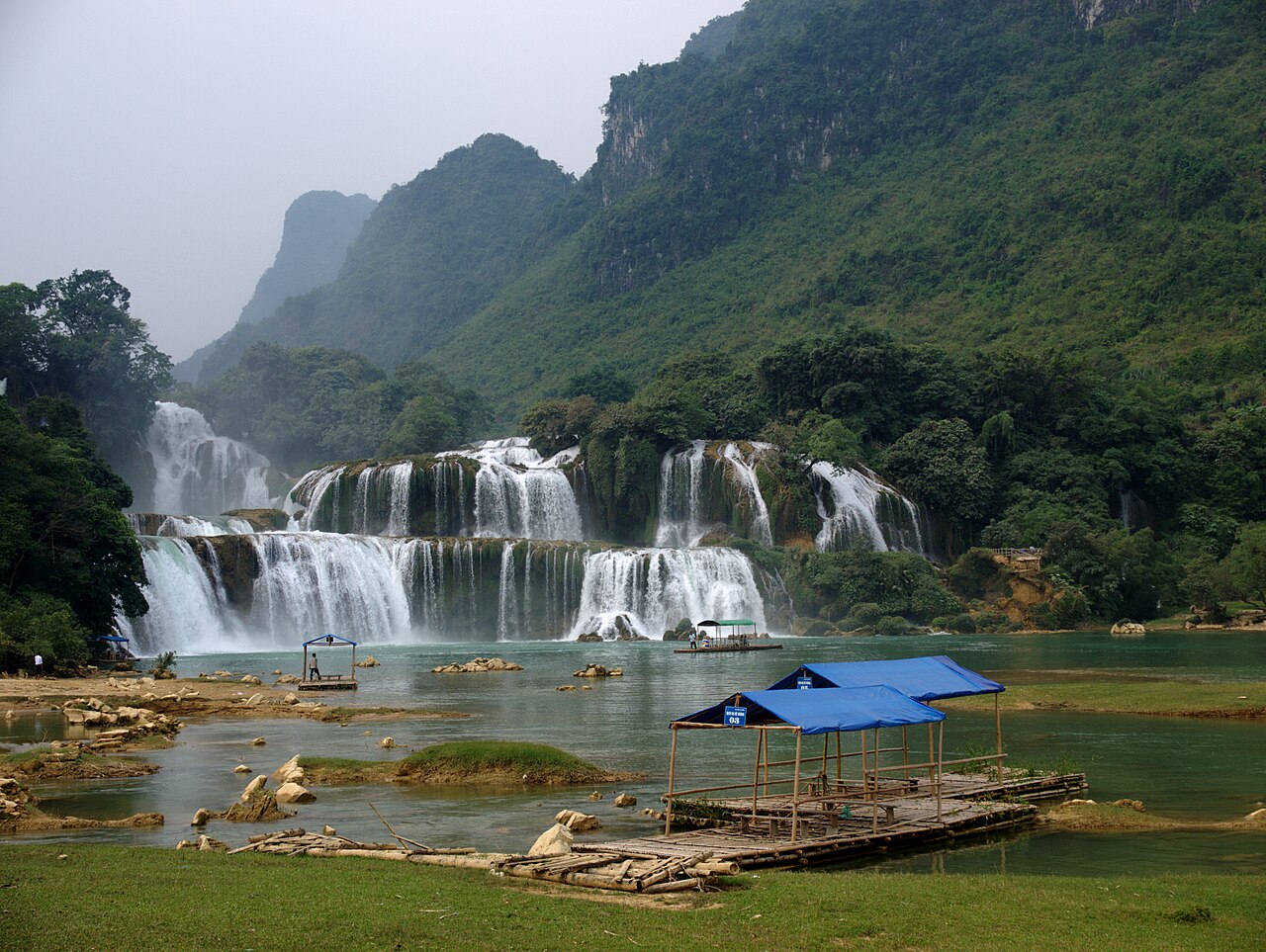
Day 3: Ban Gioc and the Underground World — or the Journey Home
For the four-day plan, devote Day 3 to Ban Gioc and nearby Nguom Ngao Cave. At the waterfall, the peaceful rhythm of the lake gives way to falling water and cool mist. The falls stand on the Quay Son River at the Vietnam–China border, changing character with rainfall. Follow marked visitor areas and check current arrangements for access and boat rides.
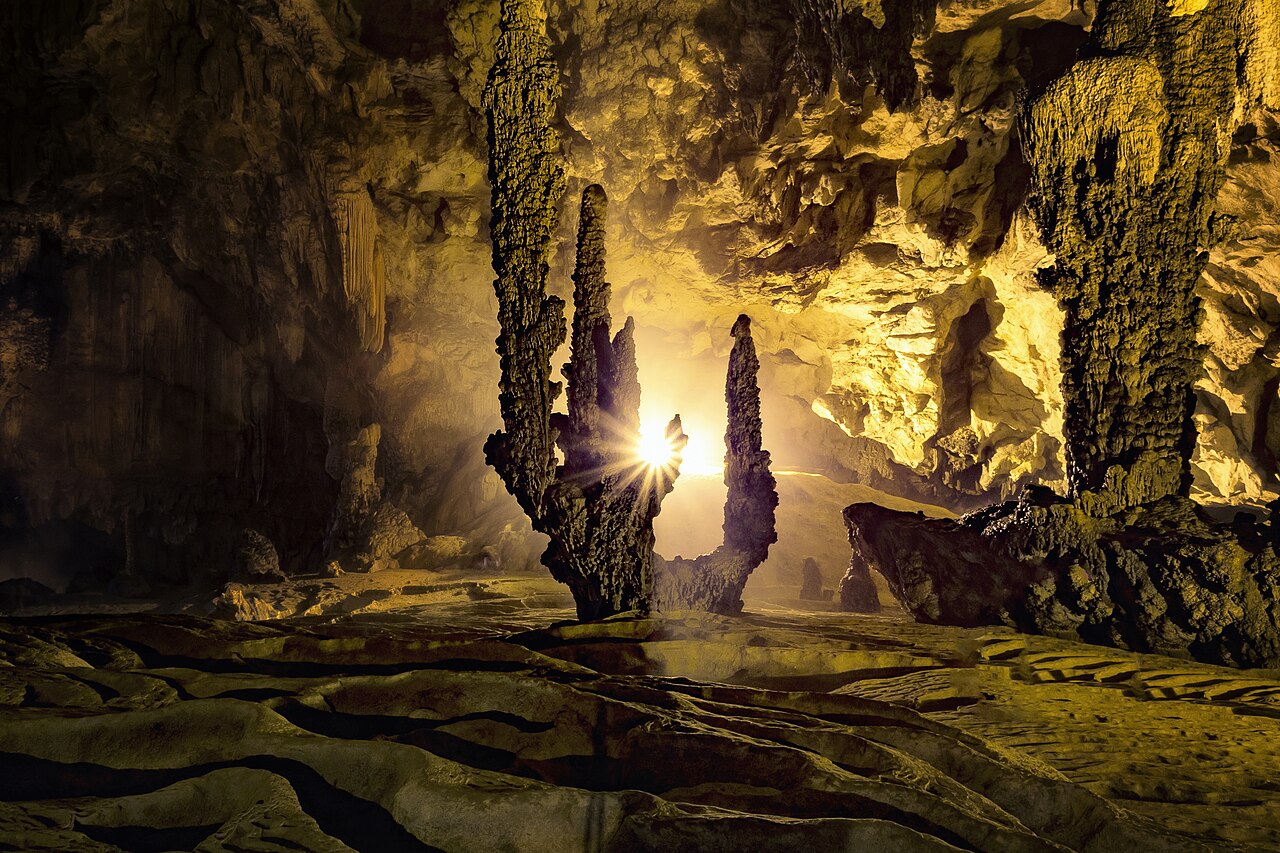
Nearby Nguom Ngao Cave offers another kind of spectacle: limestone chambers shaped over immense spans of time. The walking surfaces may be damp, so take shoes with a good grip and allow enough time rather than racing through the cave for a photograph.
If travelling for three days: Day 3 is primarily for returning to Hanoi; skip the cave if you could not visit it on Day 2. This itinerary is road-heavy, not leisurely.
If travelling for four days: spend a third night in the Cao Bang area, then return to Hanoi on Day 4. Do not schedule a tight flight connection after either return journey.
Seasons, Transport and Small Decisions That Matter
Autumn is often attractive for clear views and cooler weather, but there is no guaranteed perfect month. Heavy summer rain can strengthen the waterfall while making roads and cave visits less predictable. In winter, mornings can be chilly. Check weather warnings before committing to the day's longest drive.
A private car offers flexibility but costs more; public buses may be cheaper yet require extra transfers and careful scheduling. For families, compare the total cost and fatigue of several connections with a direct vehicle. Carry water, cash, a light raincoat and identification, and respect instructions around the border area.
What Should You Budget?
The source planning document suggested these illustrative three-day totals for transport, accommodation, meals and basic visits. These figures are not current offers; vehicle choice, group size and a fourth day can change them substantially.
Check real bus or car prices, rooms, entrance fees and meals for your dates. Include a contingency for road delays, and never assume that an indicative family budget guarantees a private vehicle.
| Travellers | Preliminary total |
|---|---|
| One person | VND 3.2–3.8 million |
| Two people together | VND 5.5–6.5 million |
| Four people together | VND 10–12 million |
The Map and the Roads Between the Highlights
The route is usually planned as Hanoi → Ba Be Lake → Cao Bang area → Ban Gioc Waterfall → Hanoi. Nguom Ngao Cave fits near the waterfall rather than as a detour from Ba Be. The roads are part of the experience, but mountain weather, roadworks and breaks can change every day's timing. Check the actual road route shortly before leaving; a decorative line on a map is not turn-by-turn navigation.
Travel for the Places, Not the Checklist
Ba Be and Ban Gioc make a memorable pair precisely because they feel so different. One asks you to listen; the other makes itself heard. Leave room for the quiet road between them, and the journey may stay with you long after the photographs are taken.