
Northern Vietnam travel planning · 2026-11-10
Sa Pa Highland Walking: A Four-Day Planning Guide
Plan a flexible Sa Pa walking journey through mountain scenery and rice terraces. Compare seasons, trail conditions and village etiquette before travelling.
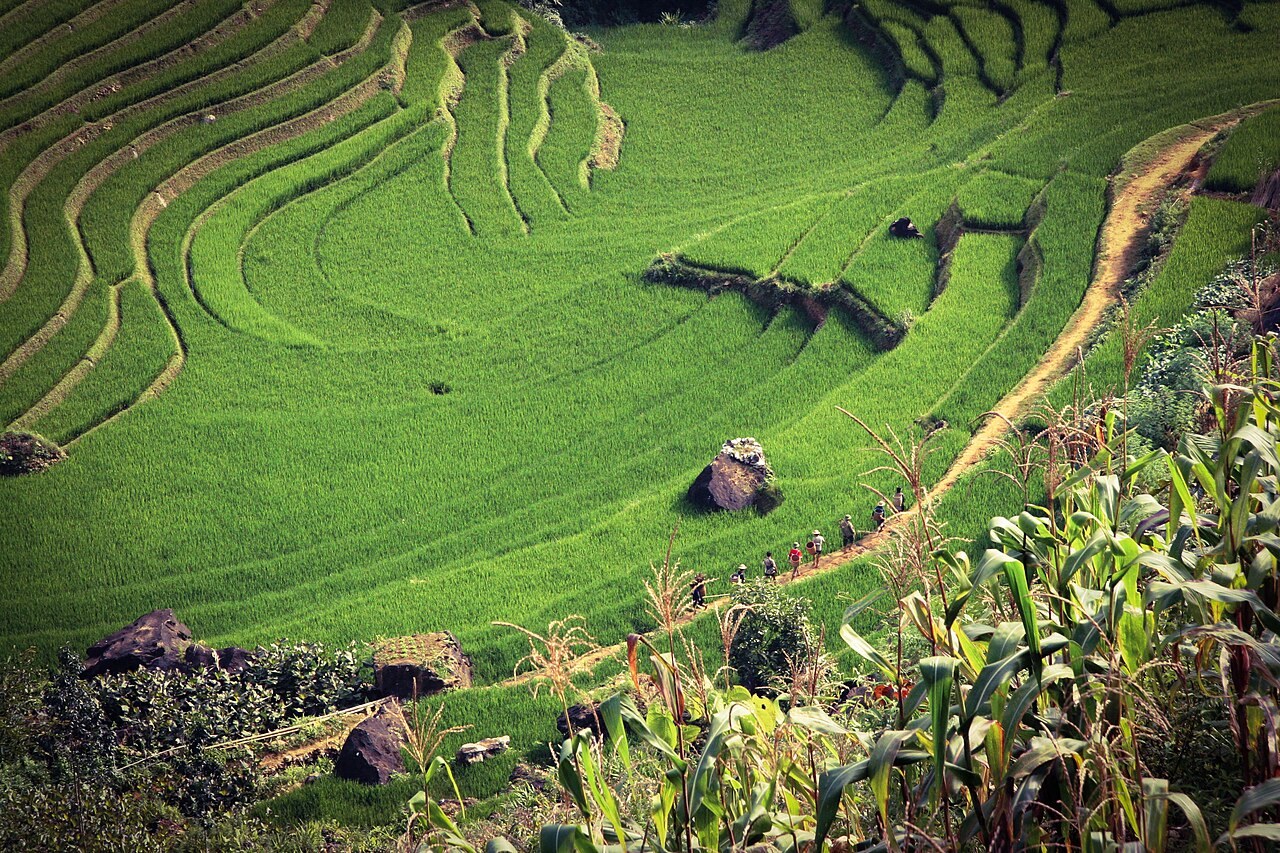
A slower way to experience the Sa Pa highlands
Sa Pa's appeal is not a single viewpoint. On a clear day, terraces step across the hillsides; in a cloud bank, even a short valley path can feel remote. This four-day outline creates room for walking and observation rather than promising a fixed commercial trekking package. There are no confirmed guides, accommodations, permits or departures attached to it.
Treat the plan as a framework: check the trail, the weather and whether a village welcomes visitors before each walk. A route that looks straightforward on a map can contain steep, slick earth, motorbike traffic and paths crossing working farmland.
Day 1 — Arrive in Sa Pa and get oriented
Use the first afternoon to look at local weather and choose a realistic walking level. Stay near Sa Pa town for an optional short stroll rather than heading straight into an unfamiliar valley. Find footwear with tread, a light waterproof layer, drinking water and a way to navigate if phone coverage drops.
If arriving from Hanoi by train, the rail journey normally ends at Lào Cai; Sa Pa requires an onward road transfer. Check current train, bus and transfer arrangements independently. None is booked or included by this editorial outline.
Day 2 — Explore the Mường Hoa Valley carefully
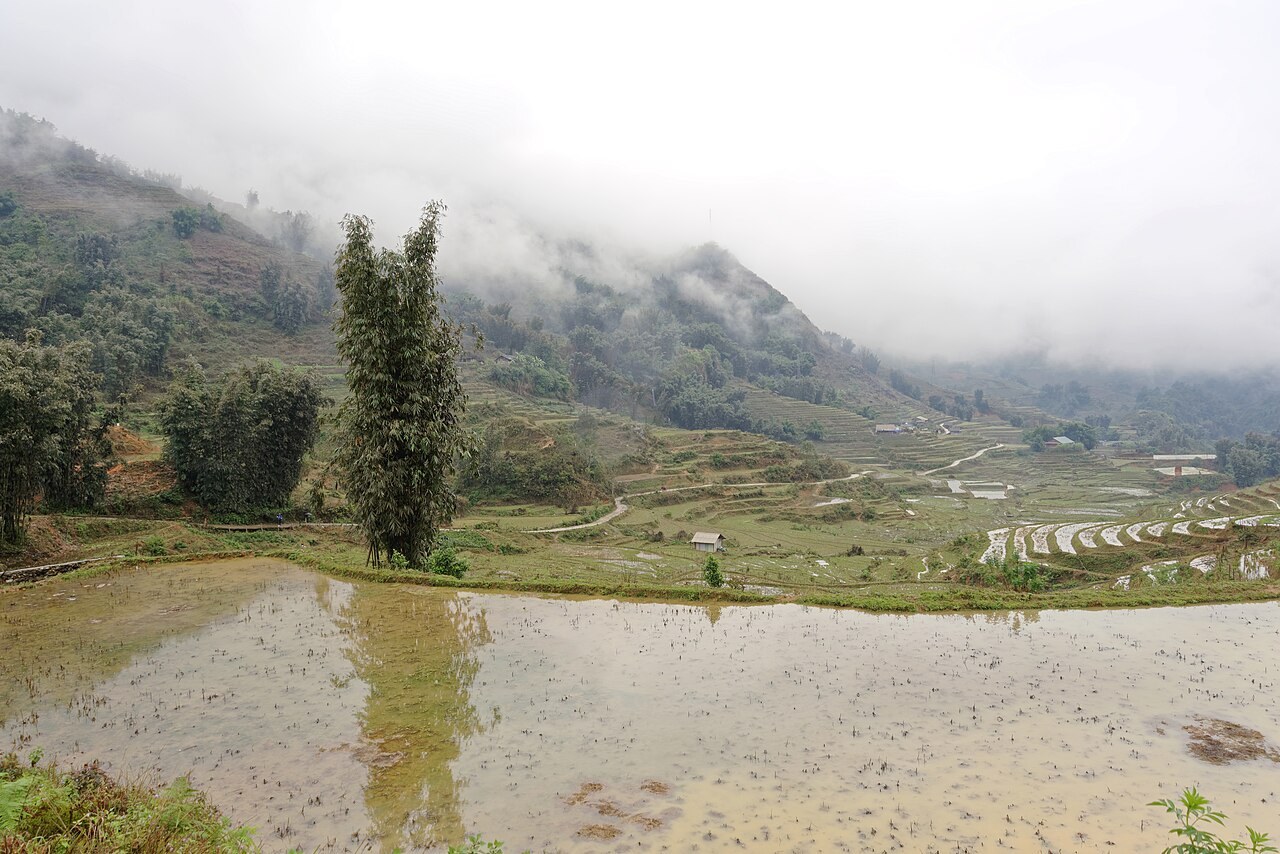
Reserve the second day for a suitable section of the Mường Hoa landscape: terraced slopes, village approaches and quiet viewpoints. Lao Chải and Tả Van are well-known names around the valley, but this guide does not prescribe a guaranteed access route, distance or walking time between them.
Ask locally which paths are public, which require permission and which are too muddy after rain. Rice terraces are productive fields, not walking shortcuts. A locally knowledgeable guide may help interpret the landscape and avoid entering private plots. Turn back early if rain, fatigue or low cloud makes the descent uncertain.
Day 3 — Choose a different village path or viewpoint
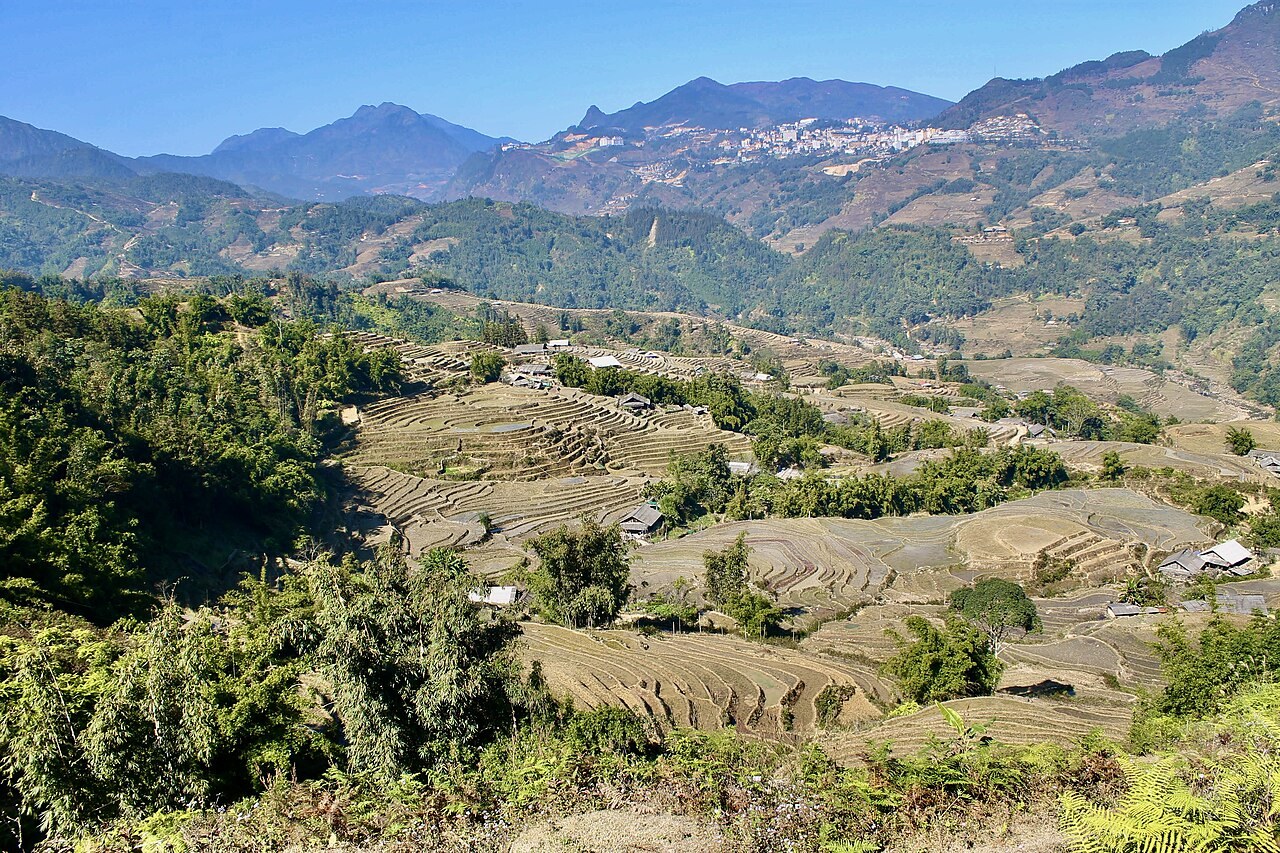
Let conditions determine the third day. A village-side walk, a different valley viewpoint or time spent observing local craft practices can all be rewarding, but visits to homes and workshops should be arranged respectfully. Do not assume every path or household is open to tourists.
Travel slowly enough to notice the details that photographs often miss: water channels along the terrace edges, changing crops, footbridges, and how farming changes the hillsides. If visibility is poor, substitute a short town-based outing instead of chasing a distant summit.
Day 4 — Leave enough time to depart safely
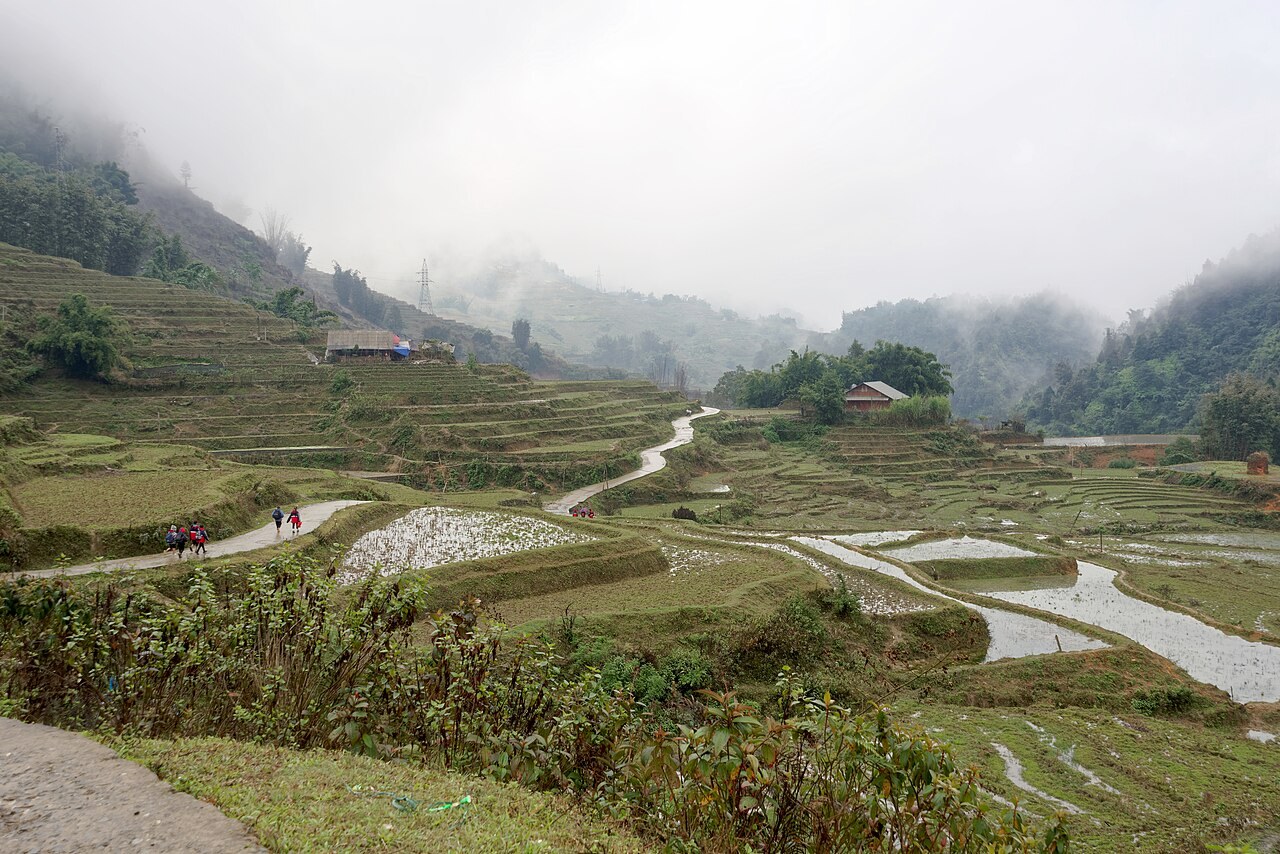
Keep the departure day flexible. Mountain roads, rain and connections in Lào Cai can make tightly timed onward journeys stressful. No bus, rail ticket, transfer or overnight stay is part of this guide.
Travellers who prefer shorter walks can shrink the outline to one valley day and add a rest day. A physically demanding trek should not be marketed as easy simply because the view is beautiful.
When are the rice terraces worth seeing?
Terraces change with the farming calendar: reflective flooded plots, green growing rice, and warmer harvest colours can all look striking, but they appear in different periods and at different elevations. Vietnam Tourism highlights September and October for terrace scenery and April–May for often pleasant weather; local growing cycles still vary.
Winter can bring cold, fog and brown or resting plots rather than the bright green terraces in summer photos. Never assume a photograph shows the current month. The photograph in this section includes a January scene, which is useful precisely because the landscape is not in its harvest colours.
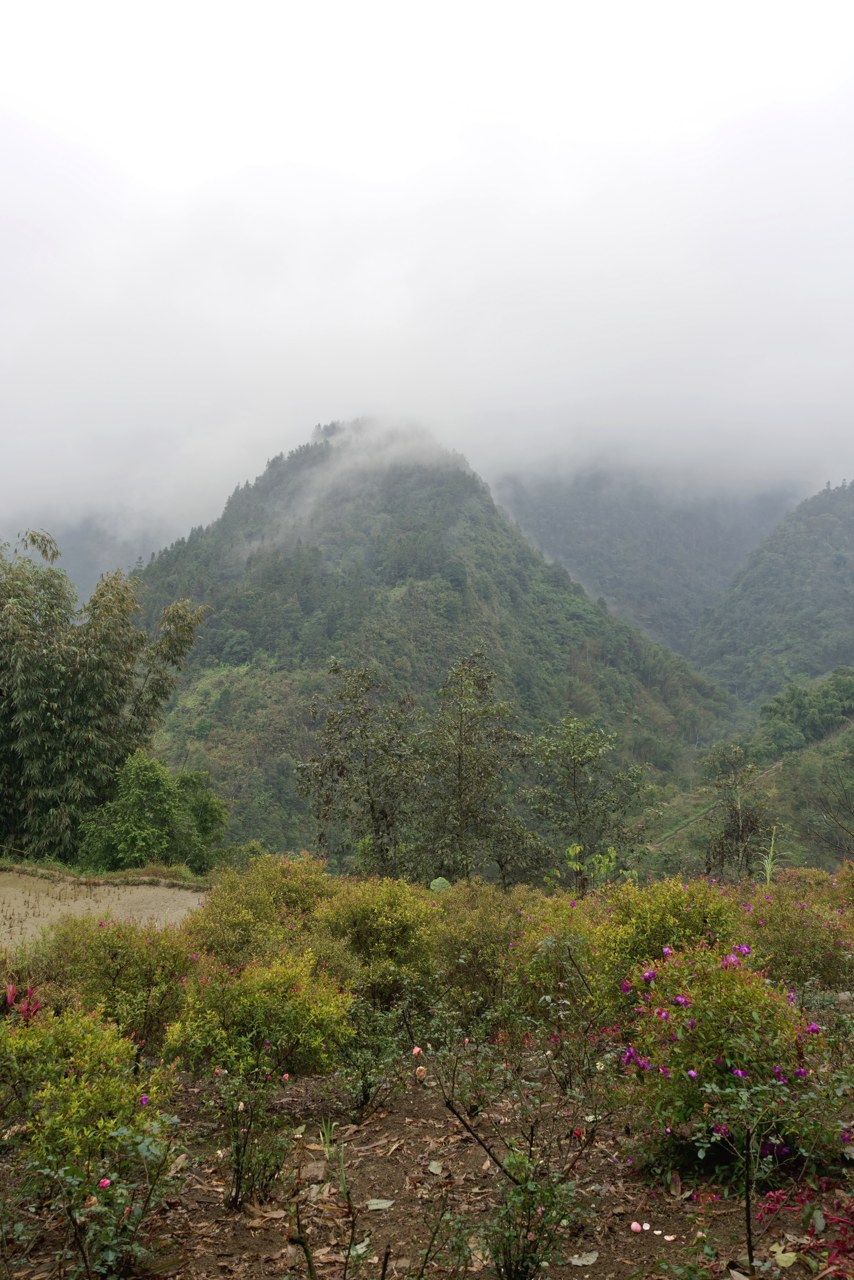
Safety, access and respectful village visits
Pack shoes suitable for wet ground, sufficient water, sun protection and a rain layer; check the forecast close to departure. Avoid steep trails in storms, respect signs and carry any rubbish out. Ask permission before photographing people, especially children, or entering family homes.
Ethnic communities in the region include Black H’mong, Red Dzao and Dzay, each with distinct histories. Their villages are lived-in places, not performances. Treat names and customs carefully, and do not promise a homestay experience that has not been arranged.
Practical questions before you choose a walking trip
Can you visit without a guide? Some short walks may be suitable independently, but trail access and conditions can change; choose a guide if the route is unfamiliar. How far will you walk? No fixed distance is promised by this example, so match the length to your fitness and local conditions.
Is this a bookable four-day Vietnam Beyond Tours package? No. It is an editorial route idea only. Prices, rooms, meals, transportation and departures are not confirmed; bookings are not open on this page until the company publishes a verified commercial itinerary.