
Dien Bien Travel Guide: Where Battlefield History Meets Mountain Life
Dien Bien is known internationally for the 1954 battle that reshaped the history of Vietnam and French colonial rule. Yet there's much more to this corner of Northwest Vietnam than its military landmarks. Beyond the memorials and trenches are a broad green valley, quiet lakes, villages with distinctive traditions and some excellent mountain cooking. The contrast between such a consequential past and the ordinary rhythm of daily life makes the journey especially rewarding.
If this is your first visit, plan for at least three days and two nights. You'll have time to understand the historical sites rather than ticking them off, then venture into the surrounding countryside. The best way to experience Dien Bien is to combine its essential landmarks with one or two slower moments: a lake viewpoint, a village meal or a conversation with a local host.
1. Begin at the Dien Bien Phu Victory Museum
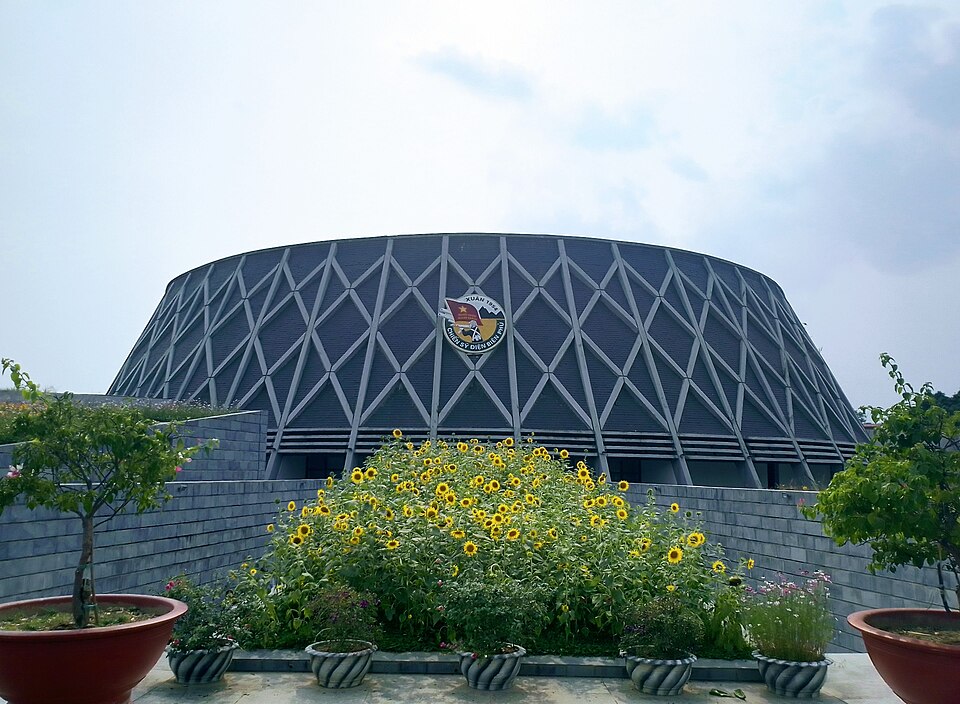
The Victory Museum is a sensible first stop, even for travelers who already know the outline of the battle. Artifacts, photographs and interpretive exhibits help explain the campaign's geography and the people involved. Its large panoramic artwork is particularly memorable, bringing the surrounding terrain and the intensity of the conflict into focus.
Allow around 60–90 minutes to explore rather than hurrying through. Afterward, the names of individual strongpoints and commanders become much easier to place when you reach the outdoor sites. Check current opening times, admission rules and photography restrictions locally before traveling.
2. A1 Hill: A Battlefield You Can Walk Through
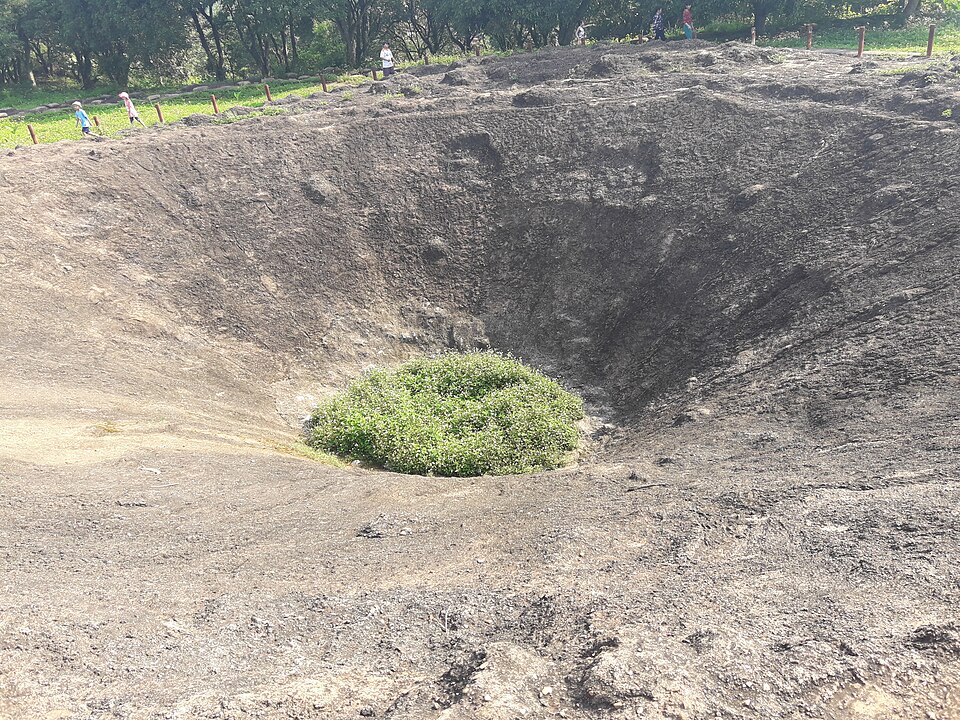
A1 Hill, known to French forces as Eliane 2, was one of the most fiercely contested positions during the Battle of Dien Bien Phu. Preserved trenches, defensive positions and an explosion crater make the fighting easier to grasp than any description alone. The hill may not look especially imposing today, but its location mattered enormously to the surrounding battlefield.
Take time to read the signs and follow the designated paths. Wear shoes with a secure grip, especially in wet weather. This is a place of remembrance, not simply a dramatic backdrop for photographs; approaching it thoughtfully makes the experience far more meaningful.
3. De Castries Bunker and Muong Thanh Bridge
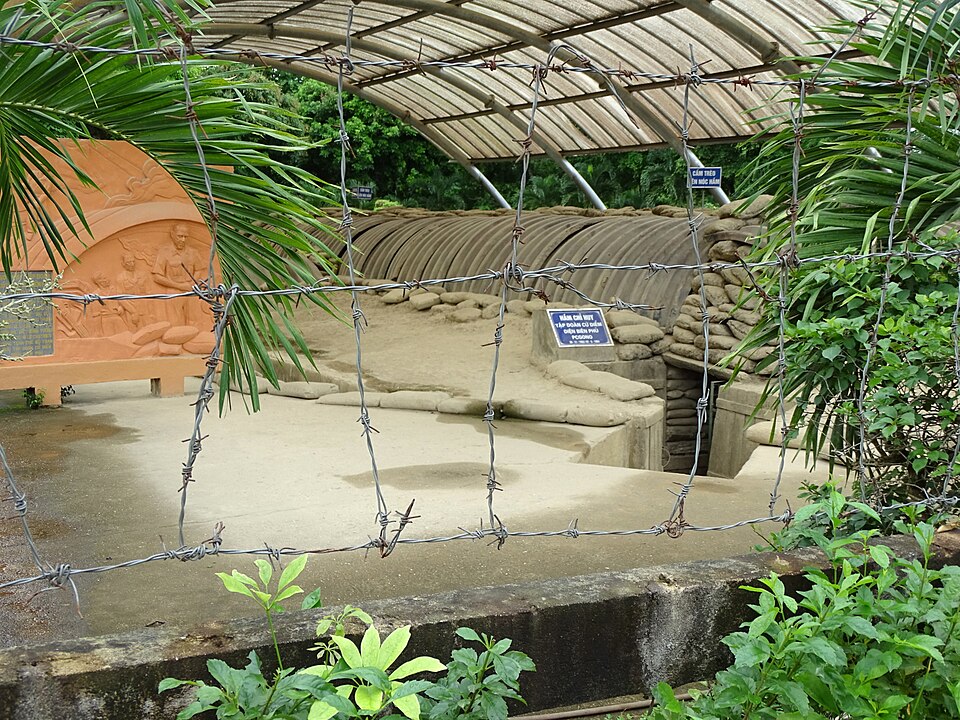
The De Castries bunker served as part of the French command headquarters during the battle. It was not a Vietnamese military shelter, an error that occasionally appears in brief travel descriptions. Although the surviving site is relatively compact, its position makes sense once you've seen a map of the fortified camp.
Nearby Muong Thanh Bridge crosses the Nam Rom River, so it makes sense to visit both in one outing. If possible, travel with a knowledgeable local guide who can relate these locations to the broader course of events. The historical significance lies in how the individual places connect, rather than in any one structure on its own.
4. Muong Phang: The Headquarters in the Forest
Muong Phang offers a change of atmosphere from the monuments in Dien Bien Phu city. Set among trees outside the urban center, this historical area preserves places associated with General Vo Nguyen Giap and the Vietnamese campaign command. Simple shelters and forest paths help visitors imagine the planning and logistical work behind the military operation.
Set aside at least half a day for this excursion, perhaps pairing it with nearby Pa Khoang Lake. Avoid entering restricted forest areas or disturbing any preserved structures. The quieter setting deserves time, both for historical reflection and for the surrounding woodland scenery.
5. Pa Khoang Lake: A Slower Side of Dien Bien
Pa Khoang Lake feels a world away from the battlefield. Wooded slopes meet a broad expanse of water, and the changing light brings out different layers of the hills. You don't need a packed activity schedule here. Find a peaceful viewpoint, sit with a drink and enjoy the landscape.
Facilities may vary by location and season. If a boat trip is available, confirm that the operator is active and provides appropriate safety equipment. Photographers will find plenty to enjoy on clear days, but should respect private land and village life around the shore.
6. Pa Thom Cave and the Hot Springs
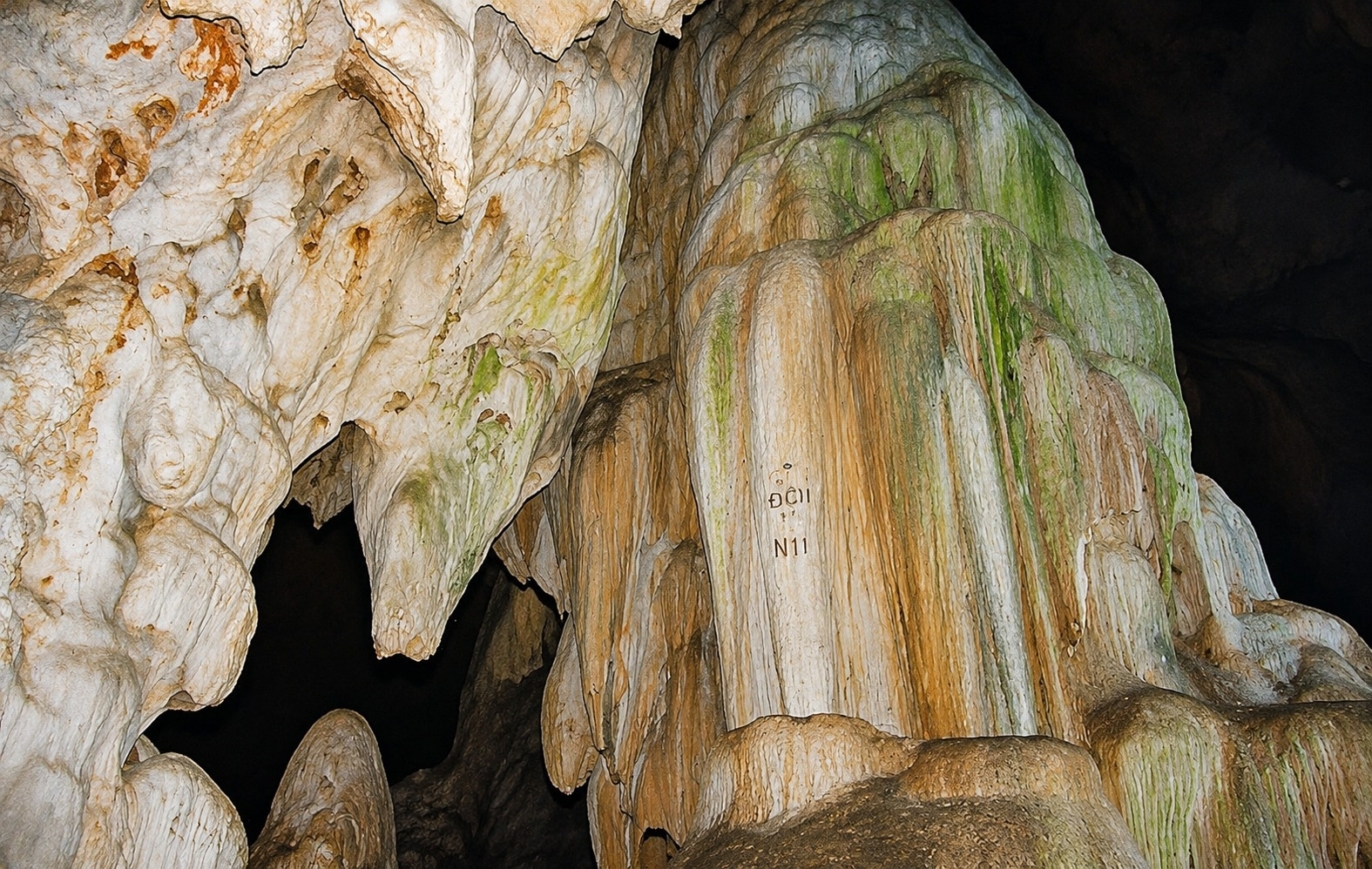
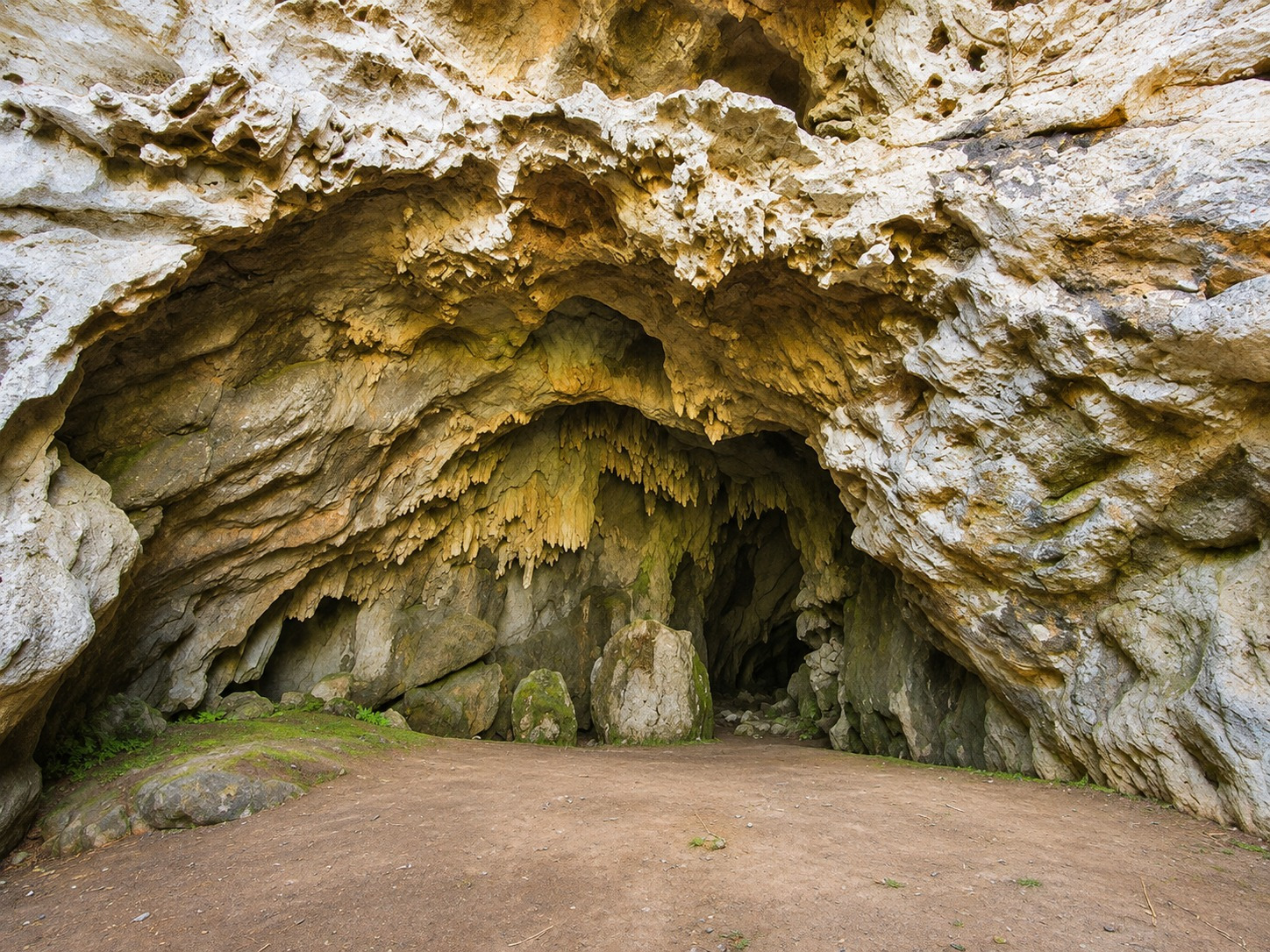
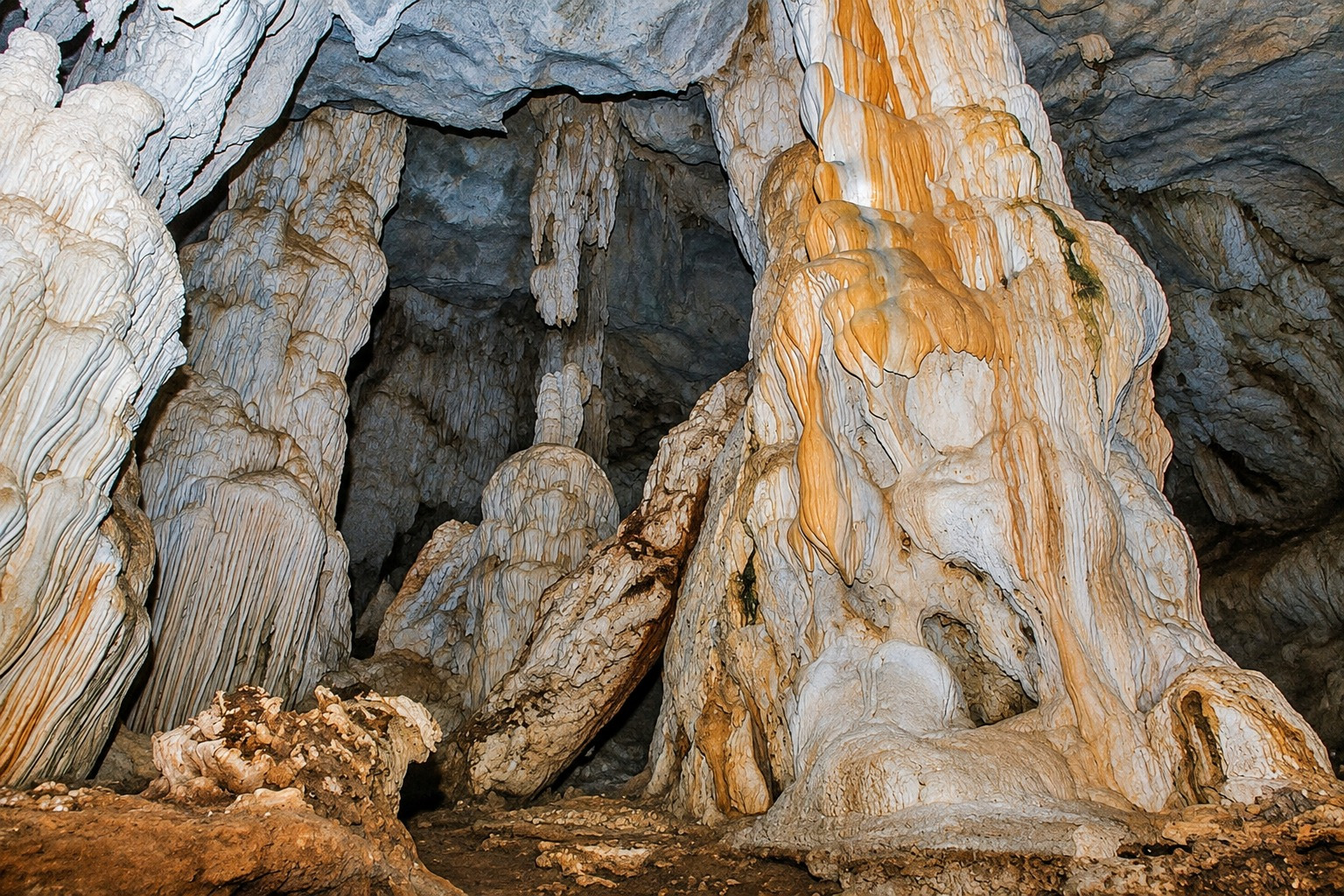
Pa Thom Cave is an interesting option for travelers who enjoy limestone landscapes. Stalactites, stalagmites and the changing light create an atmospheric underground environment. It should not be promoted as Vietnam's largest cave system without reliable evidence. Check access arrangements ahead of time, wear nonslip footwear and never touch or damage the formations.
For a less active alternative, consider a hot spring facility around U Va or Hua Pe. Ask about current opening arrangements, bathing conditions, water temperature and hygiene before visiting. Hot springs can be relaxing after several days on the road, but they should not be presented as a medical treatment. Families should pay particular attention to safe water temperatures and time spent bathing.
7. Meet Dien Bien's Thai Communities
Dien Bien is home to several ethnic communities, with Thai cultural traditions among its most visible. Stilt houses, weaving, dance, music and distinctive cooking styles offer another reason to stay beyond a quick historical tour. The graceful xoe dance is often associated with community gatherings and celebrations. Around the Ban Flower Festival, visitors may encounter performances and cultural events; exact dates change from year to year.
A village homestay can offer a more personal introduction. Ask your hosts about local ingredients, daily routines and what traditions mean to their families today. Remember that a community is not a living museum: always ask permission before taking portraits or photographing ceremonies and private family spaces.
8. What to Eat in Dien Bien
Start with pa pinh top, a traditional Thai-style grilled fish seasoned with local herbs and spices. It is not smoked meat cooked inside bamboo, as some inaccurate descriptions suggest. The combination of aromatic seasoning and charcoal grilling gives the dish its character.
Grilled chicken with mac khen is another popular choice, while Muong Thanh upland sticky rice pairs beautifully with grilled food and cham cheo, a fragrant dipping mixture. Depending on the season, you may also find bitter bamboo shoots, ban-flower salads and other mountain vegetables. Order from a clean, reputable kitchen and ask about ingredients if you have dietary restrictions.
Rather than ordering every specialty at once, share a modest selection. Food tastes even better when your host explains how the spices are used and why a dish is prepared a certain way.
9. Best Time to Visit and Where to Stay
Spring, particularly around March, is associated with blooming ban flowers and local celebrations. The Muong Thanh fields also change character through the growing season. Travelers whose priority is the historical sites can visit at various times of year, although dry conditions are more comfortable for outdoor walks. During the wetter months, check forecasts and road safety advisories, especially if crossing mountain passes.
A hotel in central Dien Bien Phu makes visits to the museum, A1 Hill and other urban historical sites more convenient. Established hotels and smaller guesthouses cater to different budgets. For a cultural experience, consider a licensed village homestay with clearly described facilities. Check location, transport options, recent reviews and cancellation terms before confirming your stay.
10. A Practical Three-Day Dien Bien Itinerary
Day 1 – Historical Dien Bien Phu: Visit the Victory Museum, A1 Hill, De Castries bunker and Muong Thanh Bridge. End with a relaxed dinner featuring local dishes.
Day 2 – Muong Phang and Pa Khoang Lake: Explore the campaign headquarters in the morning and spend the afternoon around the lake or nearby countryside. Resist the temptation to add too many distant stops.
Day 3 – Choose your own pace: Visit Pa Thom Cave for an active outing, or spend time at a hot spring facility before continuing your journey.
For a longer Northwest Vietnam adventure, a circuit through Lao Cai – Sapa – Lai Chau – Dien Bien – Son La – Moc Chau – Hanoi combines mountain scenery with history and culture. Distances and road conditions mean that it is best spread over several days rather than rushed through a five-day schedule. A Dien Bien–Hanoi flight may be an alternative for the return journey when schedules and seats are available.
Final Thoughts
Dien Bien is worth visiting for more than one famous battle. Its museums and memorials offer important historical perspective; its forests, lake and villages reveal the life surrounding those events. Give the destination enough time, travel respectfully and let the smaller moments become part of your story. You may arrive for the history and leave remembering the quiet mountain air, a local meal and the people you met along the way.
Interactive Map: Best Places to Visit
Open the interactive Dien Bien sightseeing map in a separate page. Pins use OpenStreetMap geocoding at viewing time; verify coordinates before travelling.
Related Reading Across Our Four Websites
- Vietnam Beyond Tours – Ba Be Lake to Ban Gioc Waterfall in 3–4 Days
- VietnamNook – Ha Giang Is Not One Journey
- Vietnam Travel Advice – Ha Giang Loop vs Hoang Su Phi
- GoAsiaTrips – Discover Vietnam Journeys (Homepage: no verified Dien Bien article permalink yet)